
Key Takeaways
- Civil works cover infrastructure projects like roads, bridges, water systems, and site development.
- These projects shape cities and support daily life and economic growth.
- Civil works are different from building construction or interior fit-out.
- The scope includes planning, site preparation, utilities, and major structural works.
- Reliable civil works ensure public safety, mobility, and long-term sustainability.
Civil works are the backbone of cities, businesses, and communities. Every road you drive on, every strong building, roadway, and development starts with one thing: civil works. Before walls rise and before interiors come to life, the ground must be prepared, shaped, and made safe.
Civil works are the essential foundation of every construction project, making sure that structures stand strong, utilities run properly, and communities remain safe and productive.
For homeowners, business owners, and developers, understanding civil works gives clarity on how projects truly begin. It also shows why choosing a skilled, reliable contractor matters.
In this guide, we explain the meaning of civil works, what they include, why they are important, and what to expect during the process.
Civil Works Meaning Explained
Civil works refer to everything related to preparing, stabilizing, and structuring land for construction. These activities ensure that the ground can support buildings, roads, and infrastructure safely. They also include systems that allow water, electricity, and other utilities to flow smoothly.
Civil works combine engineering, planning, and construction to turn raw land into a functional site. Without civil works, no project can move forward. They serve as the backbone that holds every structure together.
For a company like ABI, civil works represent precision, safety, and long-term reliability. They ensure each project begins with a strong and dependable foundation.
What Civil Works Include
Civil works cover a wide range of tasks that improve and stabilize land. Below are the most common elements found in construction projects.
1. Earthworks
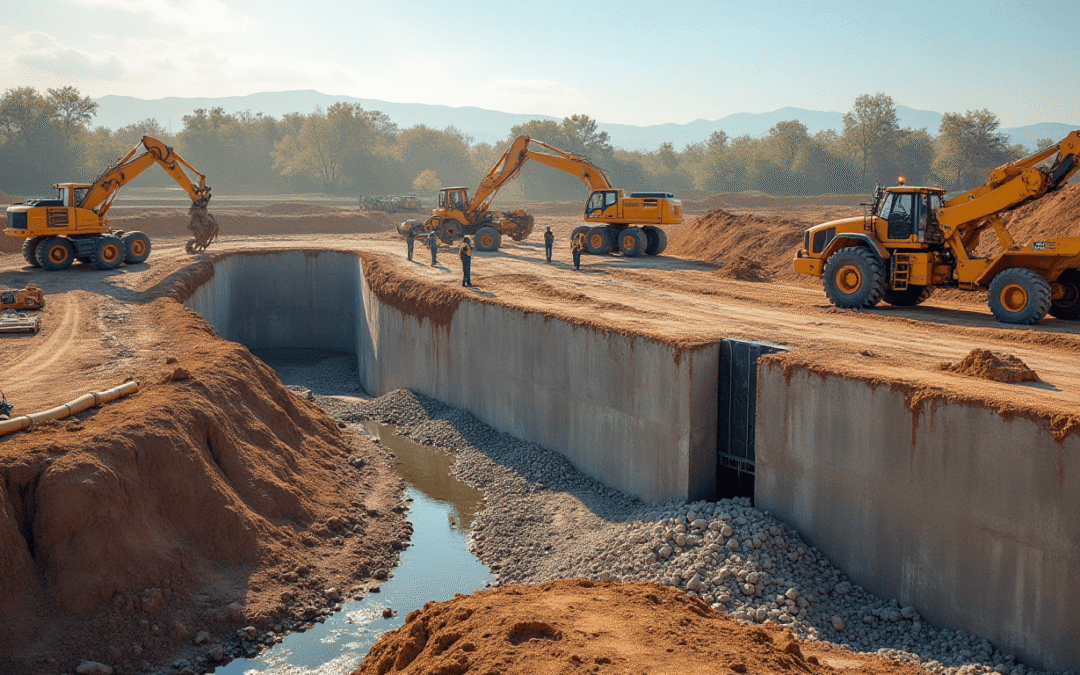
Earthworks involve shaping the land. This may include excavation, land clearing, filling, grading, and soil improvement. Proper earthworks prevent soil movement, erosion, and structural issues later on.
2. Foundations and Structural Preparation
Before any building goes up, the ground must be strong enough to support it. This includes footings, retaining walls, slabs, and other foundational components that keep structures stable.
3. Road Works and Pavements
Road works include constructing access roads, driveways, walkways, and concrete pavements. These elements make sites accessible and improve mobility.
4. Drainage and Stormwater Systems
Drainage work prevents flooding, soil erosion, and water damage. This includes sewer lines, storm drains, canals, catch basins, and flood control systems.
5. Utility Works
Civil works prepare the site for essential utilities, including:
- Water supply pipes
- Electrical conduits
- Telecommunications lines
- Wastewater connections
These systems support both residential and commercial developments.
6. Site Development
Site development completes the transformation of bare land into a usable area. It includes parking lots, pathways, curbs, gutters, landscaping, and perimeter fencing.
All these components work together to form a safe, functional, and ready-for-construction site.
Why Civil Works Matter in Construction
Civil works play a crucial role in project success. Here is why they matter:
1. Safety and Stability
Without proper foundations and soil preparation, structures can weaken or collapse. Civil works ensure buildings, roads, and utilities stand strong for many years.
2. Preventing Flooding and Water Damage
Drainage systems are built to control water flow and protect properties from heavy rain or storms.
3. Smooth Access
Roads, pathways, and pavements help workers, residents, and vehicles move safely across a site.
4. Utility Distribution
Civil works install the systems that deliver water, electricity, and other services. Without these, a building cannot operate.
5. Long-Term Durability
When civil works are done right, maintenance is easier, and structures stay reliable for longer. This saves money and reduces risk.
6. Better Land Use
Civil engineering helps make land productive, efficient, and suitable for different types of development.
Civil works support strong communities and sustainable growth. They are the foundation for modern living and thriving businesses.
Civil Works Process: What to Expect
Every successful construction project begins with a clear and organized civil works process. Here are the main stages:
1. Site Inspection and Analysis
Engineers check the condition of the land and identify potential risks. Soil, slope, and water patterns are studied to plan the next steps.
2. Surveying and Measurement
Specialists measure the land to determine boundaries, elevations, and layout. This step is essential to avoid errors during construction.
3. Planning and Engineering Design
Engineers design the foundation, drainage systems, roadworks, and utility paths. Careful planning ensures safety, compliance, and long-term performance.
4. Excavation and Ground Preparation
Land is cleared, dug, filled, or leveled depending on the design. This prepares the site for foundations and utilities.
5. Foundation Works
Concrete footings, retaining walls, and slabs are built to support buildings and infrastructure.
6. Utility and Drainage Installation
Pipes, cables, conduits, and sewer lines are installed. These provide essential services for future developments.
7. Roadwork and Site Finishing
Access roads, pavements, pathways, and parking areas are constructed. Landscaping may be used to enhance the site’s appearance.
8. Final Testing and Turnover
Before the project is handed over, engineers inspect everything for safety, accuracy, and performance. After testing, the site is ready for the next phase of construction.
The process requires expertise, coordination, and disciplined project management. ABI’s approach ensures civil works are delivered with accuracy, efficiency, and world-class quality.
Common Civil Works in Major Projects
Civil works appear in many construction and infrastructure projects. Examples include:
- Housing developments and subdivisions
- Commercial and mixed-use projects
- Industrial complexes
- Resorts and hotels
- Roads, highways, and bridges
- Waterways, canals, and flood mitigation systems
- Public parks and open spaces
- Government infrastructure projects
These works support growth, mobility, and development across communities.
How ABI Delivers World-Class Civil Works
Based on ABI’s brand values, the company stands out with:
Precision
Detailed planning and exact execution at every stage.
Excellence
High-standard materials, quality control, and strict compliance with safety codes.
Innovation
Modern techniques, updated systems, and forward-thinking solutions that match global standards.
Commitment
Projects are delivered on time, with full integrity, teamwork, and accountability.
Vision
A mission to help build a world-class Philippines by upgrading how construction and development are done.
ABI’s civil works reflect the company’s dedication to quality and progress.
Building Foundations for the Future
Civil works form the foundation of every modern community. They support transportation, utilities, businesses, safety, and growth. When done right, they create long-lasting structures that serve generations. From stable roads to dependable water systems, civil works help shape a future-ready society.
Need reliable civil works for your next project? Partner with ABI and let us build infrastructure that lasts, serves communities, and supports growth.
FAQs
Can Civil Works Improve Flood Protection in an Area?
Yes, civil works often include drainage, embankments, and flood control systems. These improvements help manage water flow and reduce the risk of damage.
Are Civil Works Required Before Building Construction Begins?
In most developments, civil works must be completed before any building rises. They prepare the ground, install utilities, and create safe conditions for construction.
Do Civil Works Include Environmental Protection Measures?
Many projects include soil stabilization, erosion control, and proper waste management. These measures help protect the environment throughout construction.
Who Usually Handles Civil Works Projects?
Civil works are typically handled by licensed civil contractors and engineering teams. They work with architects, planners, and government agencies to ensure compliance.
Can Civil Works Affect the Value of a Property or Site?
Yes, well-executed civil works can increase land value and make it more attractive for development. Proper infrastructure also reduces long-term maintenance issues.