
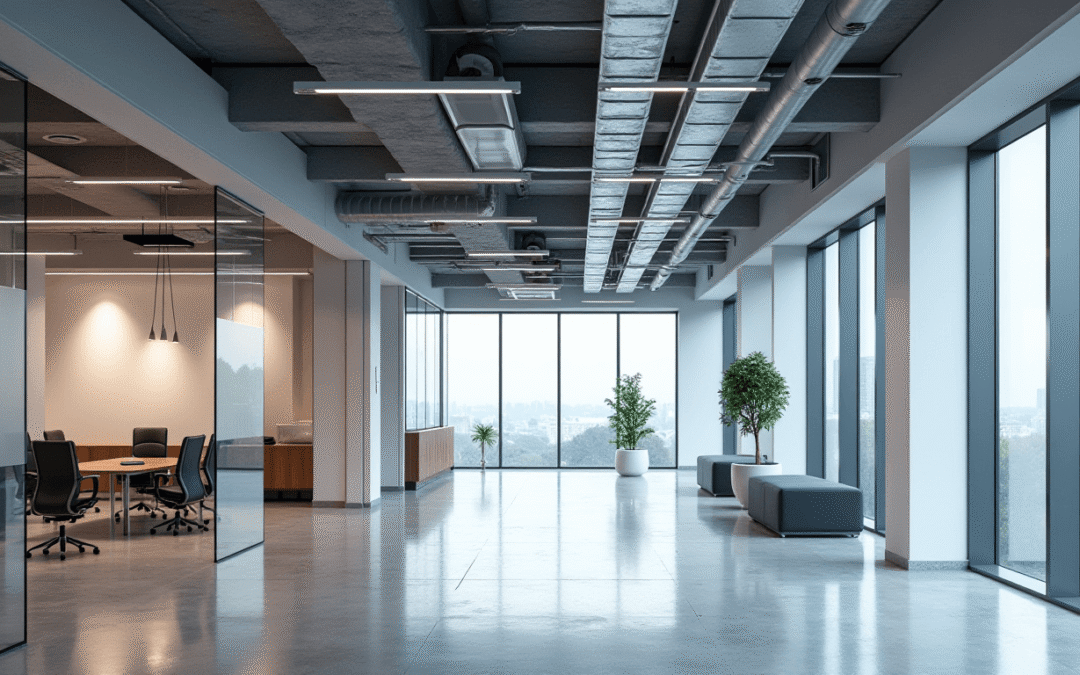
Key Takeaways
- An interior fit-out turns a space into a complete, functional workplace.
- Fit-outs include structural works, systems, design, furniture, and finishing.
- Cat A offers basic interiors while Cat B delivers full customization.
- Fit-out and renovation serve different purposes and have unique applications.
- Proper fit-outs improve comfort, productivity, branding, and long-term value.
- A trusted, experienced fit-out contractor ensures quality, safety, and smooth delivery.
Whether you are moving into a new workspace or preparing a property for tenants, the term interior fit-out will come up fast. Many people see an empty unit and assume it only needs furniture, but a true fit-out is much more than that. It is the process that transforms a bare interior into a fully functioning, comfortable, and professionally designed space.
For business owners, a proper fit-out supports productivity and brand identity. For homeowners and commercial property owners, it increases value and helps create spaces that are ready for occupancy the moment the lease begins.
This guide breaks down the meaning of an interior fit-out in simple terms, covering what’s included, the different types, and why it matters.
Office Fit Out Meaning: A Clear Definition
An office fit-out is the process of transforming a bare commercial space into a fully functional office. Developers often hand over units as “shell and core,” meaning the structure is complete, but the interior is unfinished. The role of the fit-out is to install the systems, finishes, and features needed for people to work safely and comfortably.
In simple terms, fit-outs make a space usable. They allow you to choose the layout, furniture, equipment, and overall look and feel of your workplace. Fit-outs also ensure that important systems such as electrical wiring, data connectivity, lighting, air conditioning, and fire safety work smoothly.
For modern companies, a fit-out is not only about creating a workspace, it is about building a productive environment that reflects your brand.
What’s Included in an Office Fit Out
A full office fit-out involves a wide range of services. These elements work together to make sure the space supports daily operations, comfort, and efficiency.
1. Structural and Interior Works
This includes flooring, ceilings, partitions, and wall finishes. These elements give the office its layout, zones, and walk paths. They help define workstations, private rooms, meeting areas, and collaboration spaces.
2. Lighting and Electrical Systems
A well-designed office needs proper lighting, safe electrical wiring, and enough outlets for equipment. Good lighting improves mood and productivity, while electrical planning ensures the space is safe and efficient.
3. HVAC and Ventilation
Air conditioning and ventilation systems keep the office comfortable. Proper HVAC design helps regulate temperature, improve air quality, and support energy efficiency.
4. Plumbing and Wet Areas
This includes restrooms, pantry sinks, drainage lines, and any water-related features. Plumbing is essential to day-to-day use and must follow safety and sanitation standards.
5. Technology and Data Infrastructure
Modern workspaces rely on strong connectivity. Fit-outs often include structured cabling, internet provisions, CCTV, access control, fire detection, and other critical systems. These help the workplace operate smoothly.
6. Furniture, Fixtures, and Branding Elements
Office workstations, chairs, conference tables, storage, reception counters, and branded features fall under this category. These items complete the interior and help bring the company’s identity into the space.
7. Finishing Touches
Paint, trims, glass partitions, cabinetry, and décor make the area feel polished and professional. These details create the atmosphere and comfort people feel when they walk in.
Types of Office Fit Out
Office fit-outs come in different levels. Understanding each type helps owners plan their timeline, budget, and expectations.
Shell and Core
This is the starting point. The space has a structure but is unfinished inside. It may have no floors, ceilings, partitions, or internal systems. A full fit-out is needed to make it usable.
Category A Fit Out
Cat A prepares the space with basic finishes. This often includes:
- Basic flooring
- Ceiling works
- Basic lighting
- Essential electrical and mechanical systems
Cat A does not include design customization, furniture, or branding. The space is functional but still empty and impersonalized.
Category B Fit Out
Cat B is where the transformation happens. This stage includes:
- Full interior design
- Custom layout
- Workstations and furniture
- Meeting rooms and private offices
- Joinery and cabinetry
- Brand elements and signage
- Advanced technology and security systems
Cat B completes the space based on the company’s identity and workflow needs.
Turnkey Fit Out
A turnkey project delivers a fully finished office ready for use. One team handles everything from design to construction to installation. This ensures consistency, speed, and smooth coordination.
Office Fit Out Cost: What Affects the Budget
Costs vary depending on the project’s size, scope, and materials. The most common factors include:
1. Space Size
Larger spaces require more materials, systems, and labor.
2. Fit Out Category
Cat A is more affordable since it covers basic finishes. Cat B costs more due to customization and complete design work.
3. Complexity of Design
Unique layouts, specialty lighting, and high-end materials can increase costs.
4. Furniture and Technology
Workstations, storage, IT systems, and equipment play a major role in total expenses.
5. Timeline
Faster timelines can require additional labor and resources.
6. Materials and Finishes
Premium finishes cost more but offer better durability and long-term value.
A trusted contractor helps you maximize your budget while maintaining quality and safety.
What to Expect in a Fit Out: Process Overview
Every fit-out follows a step-by-step process to ensure smooth planning and execution.
1. Consultation and Site Inspection
The team evaluates the space, checks existing conditions, and listens to the client’s goals. This helps align the vision with the site’s possibilities.
2. Design and Planning
Designers create the layout, select materials, and plan the systems. This phase includes drawings, approvals, and budgeting.
3. Construction and Installation
The team installs partitions, ceilings, flooring, electrical systems, HVAC, plumbing, technology, and fire safety. This is where the transformation becomes visible.
4. Furniture and Final Touches
Workstations, meeting rooms, cabinetry, and branding elements complete the interior.
5. Testing and Turnover
Systems are tested, and the space is reviewed for quality, safety, and performance. After this, the office is ready for occupancy.
Building a Future-Ready Space
An interior fit-out is more than finishing a space. It shapes how people work, move, and feel every day. For businesses and property owners alike, the right fit-out creates a modern, high-performing environment that supports growth and reflects your brand.
Ready to turn your space into a functional, future-ready office? Contact ABI today and start building a workplace designed with precision, comfort, and purpose.
FAQs
Is It Possible to Fit Out a Small Office Space?
Yes, fit-outs can be done in offices of any size. Smart layout planning helps make even small spaces efficient and productive.
How Do I Know If I Need a Cat A or Cat B Fit Out?
You need Cat A if the space requires basic finishes to make it functional. You need Cat B if you want full customization, branding, and complete interior design.
Can an Office Fit-Out Be Done in Phases?
Yes, fit-outs can be completed in stages based on budget, occupancy plans, or operational needs. This approach allows businesses to keep running during transitions.
Do Fit Outs Include IT Setup and Workplace Technology?
Most modern fit-outs include structured cabling, data points, and tech integration if required. These systems support connectivity, security, and daily operations.
What Should I Prepare Before Starting a Fit-Out Project?
Prepare your goals, timeline, and functional requirements. It also helps to set a clear budget range and gather inspiration for layouts and design elements.