
Key Takeaways
- Start with the purpose of the room before placing furniture.
- A well-designed furniture layout improves comfort, flow, and overall room feel.
- Clear pathways and balanced spacing make a space easier to use every day.
- Smart furniture placement helps define zones in open layouts.
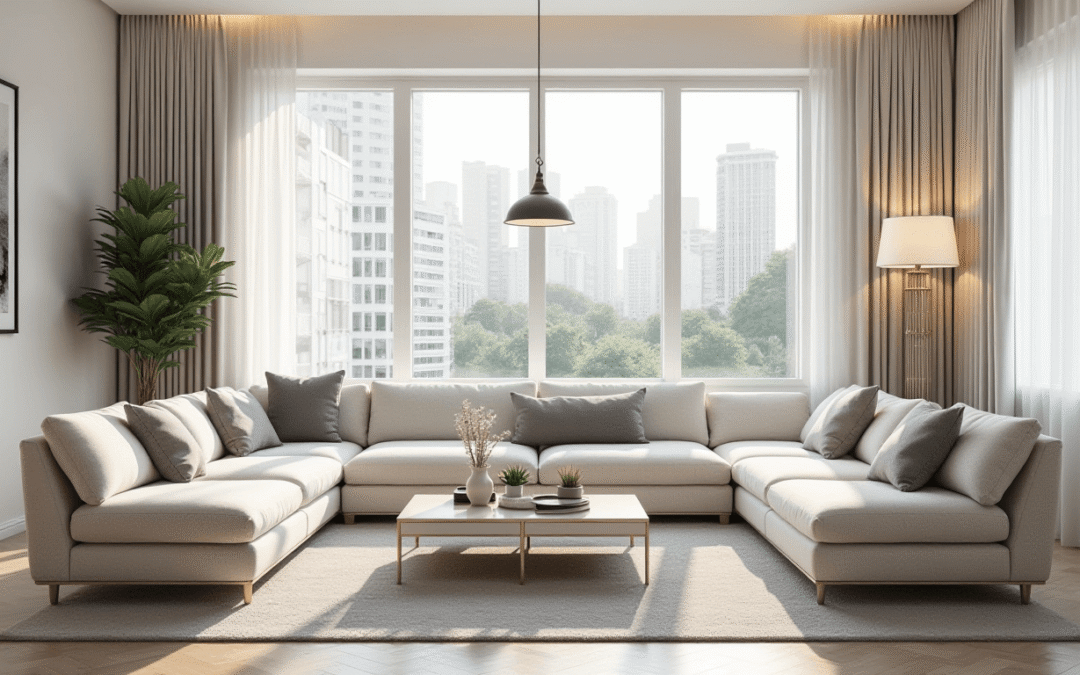
Knowing how to arrange furniture in a room can change how the space feels and functions. A good layout makes a room more comfortable, easier to move through, and more inviting. Whether you are setting up a living room, office, or multi-use space, smart planning helps you get the most from every square foot.
This guide shares professional space-planning tips that are easy to follow and apply to rooms of all sizes.
Understanding Your Space
Assess Room Dimensions
Before moving furniture, measure the room. Note the wall lengths, doorways, windows, and ceiling height. This helps avoid layouts that feel tight or block key areas.
Identify the Focal Point
Most rooms benefit from a focal point. This could be a TV, a fireplace, a large window, or a feature wall. Furniture should support this focal point, not compete with it.
Consider Room Functionality
Decide how the room will be used. A space may serve as a lounge area, workspace, or meeting area. Knowing the main function guides every layout choice.
Planning the Layout
Start With the Largest Pieces
Place the largest pieces of furniture first, such as a sofa, bed, or dining table. These pieces set the layout and help define how the room flows.
Plan Pathways for Traffic Flow
Leave clear paths for walking. This is especially important in spaces with columns, stairs, or structural elements that affect layout and circulation.
Avoid Blocking Views and Walkways
Do not place furniture in a way that blocks doors, windows, or walkways. A clear layout makes the room feel open and easy to use.
Furniture Placement Rules That Work
Create Conversation Zones
Arrange seating so people can face each other easily. Chairs and sofas should be close enough to talk without shouting.
Balance Visual Weight
Spread heavy and light furniture evenly across the room. This keeps one side from feeling crowded or unbalanced.
Use Rugs to Define Areas
Rugs help anchor furniture and define zones. In large or open rooms, rugs can separate seating, work, or activity areas.
How to Arrange Furniture in Small Rooms
Multi-Purpose Pieces
Choose furniture that does more than one job. Storage ottomans, benches, and sleeper sofas save space and add function.
Floating Furniture From Walls
Not all furniture needs to sit against a wall. Pulling pieces slightly inward can improve flow and make the room feel deeper.
Keep Pathways Clear
Avoid squeezing furniture too close together. Clear paths make small rooms feel larger and more comfortable.
Making a Room Feel Bigger With Furniture
Use Light Colors and Proper Scale
Lighter furniture and correctly sized pieces help prevent a crowded look. Avoid oversized items in smaller rooms.
Reflect Light and Open Sight Lines
Mirrors, low-profile furniture, and open legs allow light to flow through the space, enhancing visual depth.
Define Zones Without Walls
Use furniture placement instead of walls to create zones, a strategy that also aligns with office fit-out design and build principles for open layouts.
Common Furniture Arrangement Mistakes
Crowding Furniture Against Walls
Pushing everything to the walls can make the center of the room feel empty and awkward. Balanced spacing often works better.
Ignoring Traffic Patterns
Furniture that blocks walkways creates frustration. Always plan how people will move through the room.
Forgetting the Room’s Purpose
A room should be designed to support its intended use. A layout that looks good but feels awkward will not last.
Smart Space Planning
Learning how to arrange furniture in a room is about balance, flow, and function. With a clear plan, proper spacing, and strategic placement, any room can feel more comfortable and inviting.
If you are planning a construction or remodeling project and want a furniture layout that enhances comfort, usability, and flow, contact ABI to create a space plan tailored to your lifestyle and budget.
FAQs
What Is the Best Way to Arrange Furniture in a Room?
Start by identifying how the room will be used and where the focal point is located. Place large furniture first, then adjust smaller pieces to improve flow and balance.
How Do You Plan Furniture Layout in a Room?
Measure the room and note doors, windows, and walkways. Plan the layout around clear paths and how people will move through the space.
Where Should Furniture Be Placed in a Small Room?
Furniture should be placed to keep walkways open and avoid crowding. Using fewer, well-sized pieces helps the room feel larger.
What Are Basic Furniture Placement Rules?
Leave enough space to walk and open doors. Balance furniture so one side of the room does not feel heavier than the other.
How Much Space Should Be Between Furniture Pieces?
Walkways usually need about 2 to 3 feet of space. Seating pieces should be close enough for conversation but not cramped.