
Key Takeaways
- Measuring your room first helps ensure furniture is neither too big nor too small.
- Wall size, doorways, and clear walking space all matter, not just floor area.
- Good measurements improve comfort, flow, and daily use of the space.
- Taking time to measure saves money and prevents layout problems later.
Learning how to measure a room for furniture is one of the most important steps in space planning. Without accurate measurements, furniture may block walkways, feel cramped, or not fit through the door.
Whether you are furnishing a home, office, or multi-use space, proper measuring helps everything fit and function better.
This guide outlines simple steps to measure a room accurately so your furniture fits the space and supports its intended use.
Tools You Need to Measure a Room
Basic Measuring Tools
A tape measure, notebook, and pencil are all you need to get started. These tools help you record accurate measurements and sketch a simple layout.
Optional Tools for Accuracy
A laser measure and measuring apps can speed up the process, especially in large rooms.. Measuring apps can also help, but manual measurements are still recommended for accuracy.
How to Measure the Room Size
Measure Wall Lengths and Widths
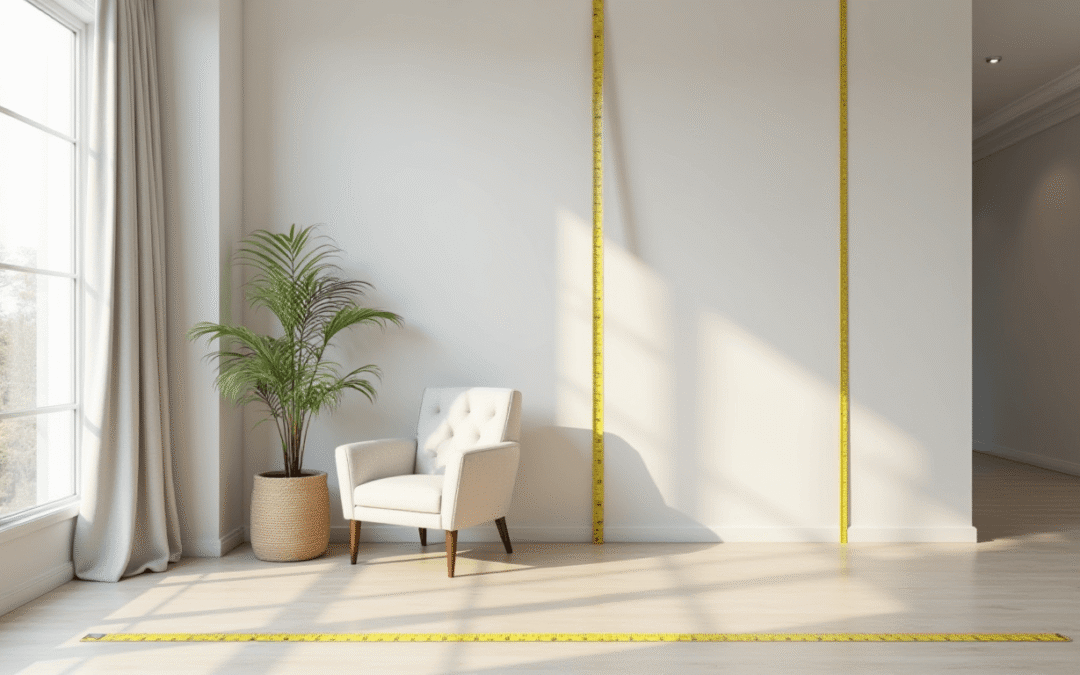
Start by measuring each wall from corner to corner. Record the length of each wall, even if the room appears square. Many rooms are not perfectly even.
Measure Ceiling Height
Measure from the floor to the ceiling. Ceiling height matters for tall furniture, shelves, and storage units.
Measuring Doorways, Windows, and Obstacles
Measure Door Width and Height
Measure the width and height of door openings, not just the door itself. This helps confirm furniture can enter the room without issues.
Account for Windows, Columns, and Built-In Features
Measure the distance from walls to windows, columns, vents, and built-ins. These features affect where furniture can be placed.
How to Measure Space for Furniture Placement
Measure Furniture Dimensions
Check the length, depth, and height of each furniture piece. Compare these measurements to the room size and available wall space.
Plan Clearance and Walkways
Leave enough space for walking and movement. Most walkways should allow about 2 to 3 feet of clear space for comfort, a guideline used in office fit-out design and build.
How to Check if Furniture Will Fit
Use Floor Marking or Paper Layouts
Mark furniture outlines on the floor with tape or paper. This helps you see how much space each piece takes before moving or buying furniture.
Consider Room Function and Layout
Think about how the room will be used each day. Furniture size should match the room’s purpose and allow easy movement.
Common Measuring Mistakes to Avoid
Forgetting Doorways and Hallways
Many people measure only the room and forget the entry paths. Furniture must fit through doors, halls, and corners to reach the space.
Ignoring Clearance Space
Placing furniture too close together limits comfort. Always plan for walking space, seating areas, and door-swing clearance.
Measuring for the Right Fit
Measuring a room for furniture is about more than numbers. It helps create a space that feels open, comfortable, and easy to use. With accurate measurements and simple planning, furniture can fit properly and support the overall design.
If you want help measuring and planning your space, contact ABI to create a layout that ensures furniture fits correctly and works with your design goals.
FAQ Section
How Do You Measure a Room for Furniture?
Measure each wall, the ceiling height, and fixed features such as doors and windows. Record all measurements clearly before planning furniture placement.
What Measurements Do I Need Before Buying Furniture?
You need wall lengths, room width, ceiling height, and doorway sizes. These measurements help confirm the furniture will fit and function well.
How Much Space Should Be Left Around Furniture?
Most walkways need about 2 to 3 feet of clear space. Seating areas should allow comfortable movement without crowding.
How Do You Measure Doorways for Furniture?
Measure the width and height of the opening inside the door frame. Do not forget to include hallway and corner clearances.
How Do You Know if Furniture Will Fit in a Room?
Compare furniture dimensions to the room measurements and available space. Floor marking helps visualize the fit before moving or buying pieces.