
Key Takeaways
- An interior fit-out transforms a space into a functional, ready-for-use environment.
- Fit-outs include partitions, lighting, HVAC, plumbing, furniture, and safety systems.
- Cat A offers basic finishes, while Cat B delivers full customization.
- Fit-outs differ from renovation and interior design, but all support each other.
- A proper fit-out improves comfort, safety, brand identity, and overall value.
- The process follows clear steps from planning to final handover.
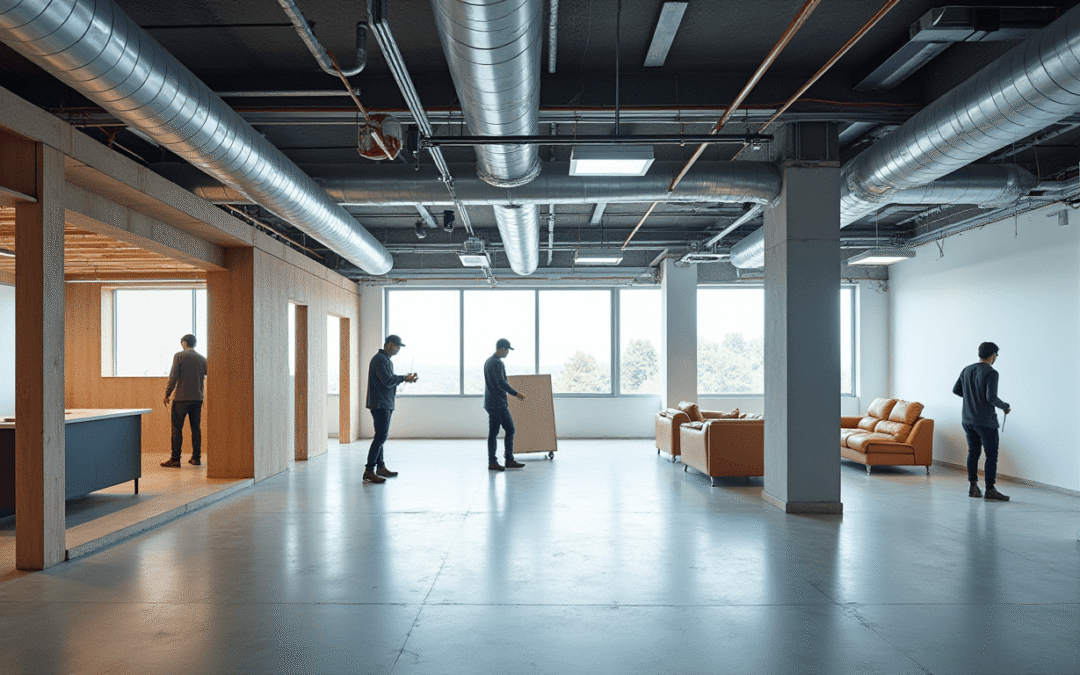
When you walk into a fresh, well-designed office, store, or residential unit, it is easy to forget that these spaces often start empty and unfinished. An interior fit-out transforms a bare shell into a complete, usable, and comfortable environment.
Whether you are a homeowner preparing a new unit, a business owner planning a workspace, or a property manager developing commercial areas, understanding what interior fit-out means is essential to making the right decisions.
Interior fit-outs bring function, comfort, safety, and identity to a space. They turn ideas and layouts into real environments that people can use every day. This guide explains what an interior fit-out is, what it includes, the types involved, and why it matters for both homeowners and business owners.
What Interior Fit-Out Really Means
An interior fit-out is the process of completing the inside of a space so it becomes ready for daily use. Most buildings are handed over as “shell and core,” which means they have walls, ceilings, and basic structural elements but lack the systems, finishes, and features needed for occupancy. A fit-out adds those essential elements.
Fit-outs include everything from partitions and flooring to lighting, plumbing, electrical systems, and even furniture. Unlike simple décor, fit-out work focuses on making a space functional and safe. It ensures the environment supports the user’s needs, whether it is for living, working, or running a business.
Types of Fit-Outs: What You Should Know
Fit-outs come in several categories based on how much work is needed and how complete the space should be.
Shell and Core
This is the starting point. The structure is finished, but the inside is still largely empty. There are no interior walls, fittings, or systems meant for the tenant. A full fit-out is needed to make this space usable.
Category A Fit-Out
A Cat A fit-out adds the basic finishes needed to bring a space closer to working condition. These may include:
- Basic flooring
- Ceiling systems
- Lighting
- Electrical and HVAC essentials
- Minimal fire safety systems
Cat A spaces are clean and functional, but still lack the customization needed for actual operations.
Category B Fit-Out
In Cat B, the space is customized based on the client’s layout, branding, and operational requirements. This level includes:
- Partitions and room layouts
- Workstations and furniture
- Custom lighting and materials
- Flooring and wall finishes
- Meeting rooms and private offices
- IT, security, and data systems
- Branding elements and signage
Cat B transforms a space into a fully ready, personalized environment that reflects the user’s goals and identity.
Turnkey Fit-Out
Turnkey projects deliver a complete, ready-to-use space handled by a single provider. From planning and design to construction and furnishing, everything is managed under one team to ensure smooth coordination and consistent quality.
What’s Included in an Interior Fit-Out
Interior fit-outs cover a wide range of services. The exact scope depends on the space, but most projects include the following elements:
1. Partitions and Interior Layout
Walls, dividers, and room planning shape how people move and work inside the space. Proper layout supports comfort and efficiency.
2. Flooring and Ceiling Works
These elements give the interior a finished look while supporting acoustics, lighting, and HVAC performance.
3. Electrical and Lighting Systems
Good lighting improves mood and productivity. Fit-outs include wiring, outlets, fixtures, emergency lighting, and power systems.
4. HVAC and Mechanical Systems
Heating, cooling, and ventilation systems keep the space comfortable and safe. Fit-out work ensures they are installed and distributed properly.
5. Plumbing and Sanitary Fixtures
Pantries, restrooms, water lines, and drainage systems fall under this part of the fit-out.
6. Fire Protection and Safety Systems
Sprinklers, alarms, and safety equipment are installed to meet building codes and protect occupants.
7. Data, IT, and Security Systems
Modern spaces depend on strong connectivity. Fit-outs include cabling, data points, CCTV, access control, and other technical systems.
8. Furniture, Fixtures, and Finishes
Workstations, shelving, cabinets, and décor complete the look and feel of the space. These elements bring comfort and identity to the interior.
9. Final Inspections and Handover
Before turnover, the space undergoes testing to confirm quality, performance, and safety. The result is a ready-to-use environment.
Fit-Out vs. Renovation vs. Interior Design
These terms are often used together, but they serve different purposes.
Fit-Out
A fit-out focuses on completing an empty interior so it becomes functional. It involves installation, construction, and systems work necessary for occupancy.
Renovation
A renovation upgrades or improves a space that has already been used. It may involve replacing old materials, refreshing the layout, or repairing damaged areas.
Interior Design
Design involves planning the look and feel of a space. It guides the theme, colors, textures, and materials used, while fit-out turns those design plans into reality.
Understanding these differences helps you choose the right service based on your goals.
Why Interior Fit-Out Matters
Interior fit-outs play a major role in shaping the user experience of a space. Here are the key benefits:
1. Comfort and Functionality
A well-planned layout supports smooth movement and daily tasks. Proper lighting, ventilation, and acoustics make the space comfortable.
2. Brand Expression
For business owners, the interior reflects the brand’s values and personality. Custom finishes and layouts help create the right impression.
3. Safety and Compliance
Fit-outs ensure fire safety, electrical safety, and building code compliance. These elements protect people and prevent future issues.
4. Efficiency and Productivity
Spaces that match how people work lead to better focus and collaboration. This is important for offices, retail spaces, and commercial units.
5. Higher Property Value
A completed interior is more appealing to buyers or tenants. A good fit-out boosts market value and long-term usefulness.
What to Expect in a Fit-Out Project
Interior fit-outs follow a clear step-by-step process:
1. Consultation and Planning
The team reviews the space, understands goals, and discusses budget and timelines.
2. Design and Technical Planning
Designers create layout plans while engineers plan electrical, HVAC, plumbing, and safety systems.
3. Construction and Installation
The team installs partitions, ceilings, floors, wiring, lighting, and other key systems.
4. Finishing and Furnishing
Walls are painted. Floors are polished. Furniture and final touches are added.
5. Testing and Handover
The space is checked for safety, quality, and performance before it is turned over for use.
Transform Your Space Into a World-class Environment
Interior fit-out work does more than complete a space; it builds the foundation for productivity, innovation, and growth. With the right partner, a bare area becomes a modern environment that inspires people and strengthens business performance.
Ready to transform your space into a world-class environment? Partner with ABI and build a future-ready fit-out that brings your vision to life with precision and innovation.
FAQs
Do Interior Fit-Outs Require Building Permits?
Some fit-outs require permits depending on structural changes, electrical work, or plumbing installations. It is important to check local codes so the project meets safety and compliance rules.
Can Interior Fit-Outs Be Done in Occupied Spaces?
Yes, many fit-outs can be done while people continue using the space. The work is often done in phases to reduce disruption.
How Long Does a Typical Interior Fit-Out Take?
Smaller fit-outs may take a few weeks while larger projects can take several months. The timeline depends on scope, materials, and design complexity.
Who Usually Designs the Layout for an Interior Fit-Out?
Layouts are typically prepared by interior designers or architects. Their plans guide builders on how to execute the space properly and safely.
Can Interior Fit-Outs Help Reduce Energy Costs?
Yes, fit-outs can include efficient lighting, improved insulation, and well-designed HVAC distribution. These upgrades help lower long-term energy use.