
Key Takeaways
- Civil works prepare the land and build essential infrastructure.
- The complete list includes earthworks, drainage, utilities, roadworks, and foundation structures.
- Proper civil works protect the project from flooding, settlement, and structural problems.
- Skilled professionals and strong planning ensure safe, high-quality results.
- Civil works lay the groundwork for everything that follows in construction.
Civil works form the backbone of any construction project. Before a building rises or a facility operates, the land must first be shaped, strengthened, and equipped to support long-term use. For project owners, understanding the full list of civil works in construction is essential. It helps you plan well, avoid costly delays, and make informed decisions.
This guide outlines the major civil works needed for safe, modern, and future-ready projects. You will learn what these works include, how they are carried out, and why they matter for stability, safety, and long-term performance.
What Are Civil Works in Construction?
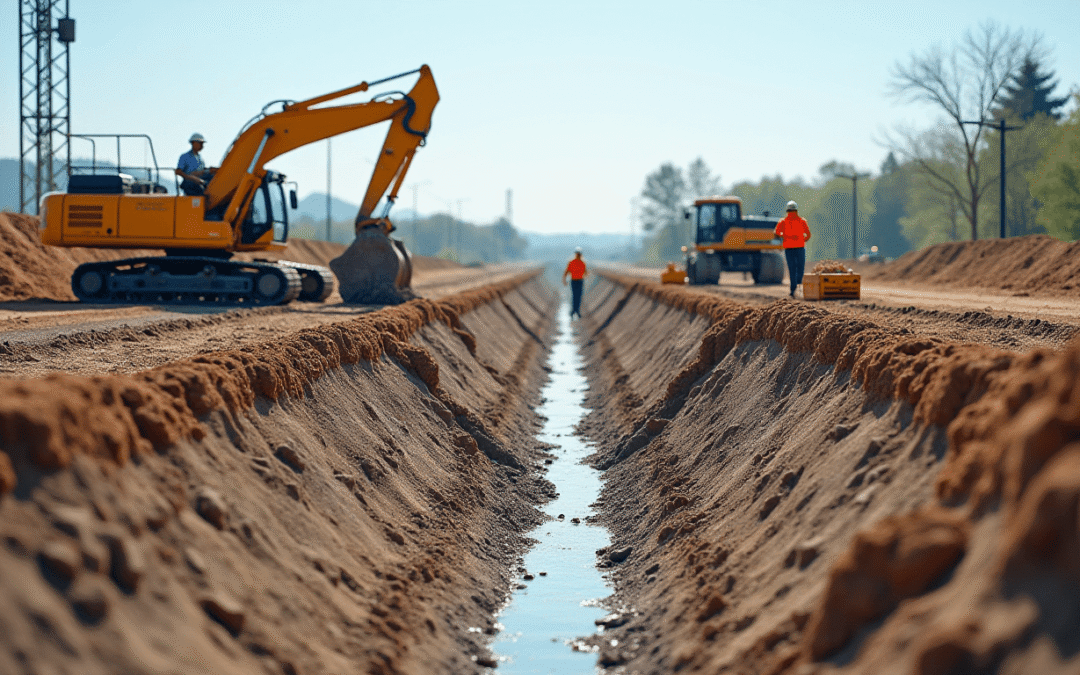
Civil works prepare the land and build essential infrastructure. These tasks include excavation, grading, drainage systems, roadworks, water and sewer lines, utility ducting, and foundation-related structures.
The goal of civil works is simple: make the site ready. These works ensure the land is stable, protected from water issues, accessible, and equipped with the systems needed for construction to move forward efficiently.
Civil works also support large-scale developments such as roads, bridges, ports, industrial sites, and drainage networks. In every project, they set the foundation for quality and safety.
Complete List of Civil Works in Construction
Here is a breakdown of the most important civil works that project owners should know.
1. Earthworks
Earthworks are the first step in preparing the land. They involve shaping the ground so it becomes strong and stable for future structures.
Key earthwork activities include:
- Excavation: Removing soil, rock, or debris to reach the desired depth for foundations, pipelines, or basements.
- Backfilling: Filling excavated areas with approved materials to provide support and stability.
- Grading and Leveling: Smoothing and shaping the land to achieve proper elevation, slope, and alignment.
- Soil Compaction: Compressing soil layers to prevent settlement, which protects future structures from uneven movement.
Earthworks determine the strength of the entire project. If done correctly, they reduce risks and improve structural performance.
2. Site Preparation
Before construction begins, the site must be cleared and organized.
- Clearing and Grubbing: Removing vegetation, old structures, and unwanted materials.
- Demolition: Taking down old facilities or unsafe structures to make room for new development.
- Layout and Staking: Marking boundaries, building lines, and levels to guide the rest of the project.
- Temporary Access and Facilities: Creating entry points, storage areas, and safety zones for workers and equipment.
Site preparation ensures the project begins on a solid footing and moves forward with minimal disruption.
3. Road and Pavement Works
These works support smooth access and movement throughout the site.
- Concrete Roads: Durable roads used for high-traffic areas within and around a project.
- Asphalt Paving: Flexible pavement used for vehicle routes, parking areas, and site access roads.
- Curbs and Gutters: Critical for directing water flow and maintaining roadway alignment.
- Parking Areas and Driveways: Supporting vehicles and equipment movement.
Roadworks help ensure safe and efficient mobility from day one of the project.
4. Drainage and Stormwater Systems
One of the most important civil works is drainage. Poor drainage leads to flooding, erosion, and structural damage.
Drainage systems include:
- Open Canals: Channels that guide surface water away from the site.
- Underground Drainage Pipes: Protecting the site from water buildup below ground level.
- Catch Basins and Manholes: Collecting water and providing maintenance access.
- Stormwater Management Systems: Preventing floods during heavy rain.
Good drainage is essential for safety and long-term performance, especially in flood-prone areas.
5. Water Supply and Sewer Lines
Every project needs reliable water access and wastewater systems.
- Water Mainlines: Pipelines that distribute water throughout a site.
- Service Lines: Connecting the water supply to each facility or building.
- Sewer and Wastewater Lines: Carrying waste to treatment systems or city connections.
- Septic Systems: Used in areas without centralized sewage networks.
These works support sanitation, safety, and daily operations.
6. Structural Foundation Works
Civil works also involve key structural elements that support buildings and heavy loads.
- Footings: Transferring the load of the structure to the soil.
- Pile Caps: Used in deep foundation systems for greater stability.
- Retaining Walls: Holding back soil in areas with steep slopes or elevation differences.
- Slab-on-Grade: Concrete slabs built directly on prepared soil.
These elements ensure buildings stand strong and safe across their lifetime.
7. Utility Ducting and Conduits
Underground utility pathways must be installed early in the project.
- Electrical Duct Banks: Housing cables for electricity distribution.
- Telecom and ICT Ducts: Supporting communication networks.
- Water and Fire Line Crossings: Ensuring utilities reach all parts of the project safely.
Utility ducting keeps systems organized, protected, and easy to maintain.
8. External Works and Landscaping Preparation
These works shape the outer areas of a project.
- Perimeter Fencing: Securing the site and defining boundaries.
- Hardscape: Pathways, paved areas, and outdoor structures.
- Slope Protection: Preventing erosion and landslides.
- Final Site Grading: Preparing the ground for landscaping, pavements, and safe water flow.
External works enhance safety, usability, and overall appearance.
Strong Civil Works Lead to Stronger Projects
Civil works shape the land, protect your investment, and support the entire construction process. Whether you are building a home, commercial space, or large facility, the success of your project begins here. With the right civil works partner, you gain stability, safety, and long-term value.
Ready to start your project with confidence? Choose ABI and experience reliable, modern, and precise civil works solutions that bring your vision to life.
FAQs
What are examples of civil works in construction?
Examples include excavation, grading, drainage systems, water and sewer lines, roads, pavements, foundations, retaining walls, and utility ducting.
What is included in civil works for a project?
Civil works include earthworks, site preparation, roadworks, drainage, water supply lines, sewer systems, foundations, external works, and utility pathways.
Why are civil works important before building begins?
Civil works prepare the land, control water, support utilities, and ensure the ground is stable. Without these, buildings and infrastructure may face safety risks and long-term damage.
Who is responsible for civil works?
Civil engineers, project managers, contractors, surveyors, skilled workers, and heavy equipment operators work together to complete civil works.
What is the difference between civil works and structural works?
Civil works deal with land development and infrastructure. Structural works involve building the load-bearing framework of a structure.